Your cart is currently empty!
Author: Chris Curran
-
Clarifications Re: MP3 File Size and Stereo vs Mono

A listener emailed me with some thoughts about my conversation with Todd Cochrane in episode 8. I thought my clarifications may be of some use:
1. Regarding the idea of reducing episode file size by reducing the sample rate from 44.1kHz to possible 32kHz, the listener wrote that this was an option, “…since you have a hard low-pass filter set in the neighborhood of 15K, …” My response: Not correct. I do use filters often but not as a rule, and not a HARD filter, and not always the same amount or the same frequency. And I only use filters on individual voices – not on the whole mix. So, I would never use a sample rate lower than 44.1kHz.
2. Regarding the stereo vs. mono conversation the listener wrote, “…Certainly, recording stereo output of a mono mic is pretty pointless and it sounds like you’d recognized that in the show…” I never recommended to record one microphone onto a stereo file – that’s ridiculous. The “stereo” we were talking about was the entire episode mix, where music can sound as it was made to sound (a carefully constructed presentation across the stereo spectrum) and individual elements/voices can be panned for more separation, clarity, etc.
3. Again regarding reducing file size, the listener suggested possible using VBR (Variable bitrate) MP3 compression. NOTE: Both Libsyn and Blubrry strongly suggest NOT using VBR for podcast episodes. Read what they say about it: Libsyn and Blubrry
4. The listener wrote, “However, you did misspeak at one point where you mentioned that stereo files are twice as big as mono files. …A joint stereo file might be just 30% larger than its mono counterpart, if there’s minimal stereo content…” I did some testing on Joint Stereo vs Mono file sizes and I’ve included my findings below. Please test this yourself and correct me if my findings are wrong.
FILE SIZE TEST – 60 Seconds of audio
Size comparison between file types and resolutions using Soundforge Pro 10.0 as well as Audacity 2.1.2. Each file contains the identical 60 seconds of audio.
- Stereo 16 bit, 44.1 kHz .WAV file = 10.0 MB (MONO = 5.04 MB)
- 128 Kbps Stereo MP3 (both Soundforge and Audacity) = 939 KB
- 128 Kbps Joint Stereo MP3 (Audacity) = 939 KB
- 128 Kbps Joint Stereo MP3 (Soundforge, Intensity encoding) = 939 KB
- 128 Kbps Joint Stereo MP3 (Soundforge, Mid-Side encoding) = 939 KB
- 64 Kbps Mono MP3 (Soundforge) = 470 KB
What are your thoughts?
Want to Start a Business or Have a Career as a Podcast Producer/Engineer?
Listen and Subscribe in Apple Podcasts, Google Play, iHeart Radio, Stitcher, TuneIn Radio, Android, RSS
.
-
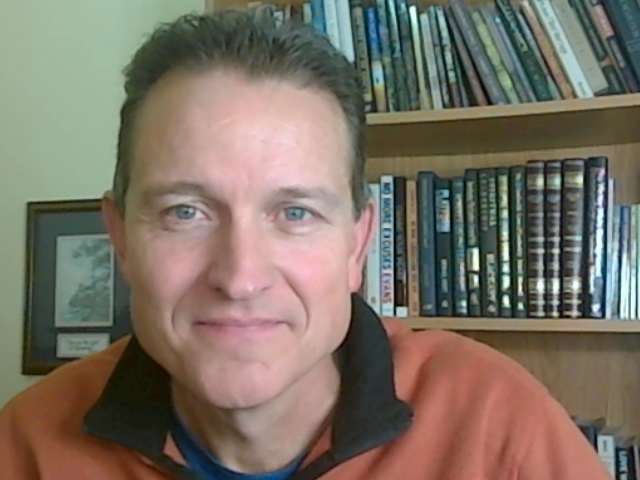
Carey Green – PES 012
My guest is Carey Green, founder of Podcast Fast Track, host of Podcastification, and creator of an Audacity video course.
We discussed:
- Templates
- Auphonic
- Keyboard shortcuts
- Digital Spitfish (de-esser function)
Thank you for being a great guest, Carey!
-
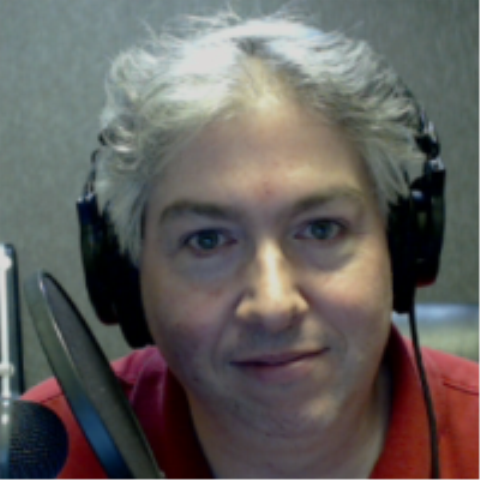
Dave Jackson – PES 011
My guest is Dave Jackson, Podcast Consultant and Coach, Owner of School of Podcasting, and host of many podcasts.
We discussed SO much, including:
- RE320
- dbx 286s
- Aphex 230 – channel strip
- Behringer mixer
- Zoom H5
- Adobe Audition
- Hard Limiter processing in Audition
- Dave’s awesome weekly Q&A: Ask the Podcast Coach
Listen to the full episode for all the details.
Thank you for being a great guest, Dave!
-
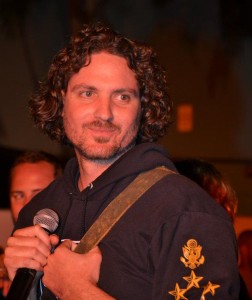
Justin Crossley – PES 010
My guest is Justin Crossley, founder of The Brewing Network and host of The Session.
Topics discussed:
- Arc 8 – broadcast board
- Preamp: dbx 286s
- Mac mini sends the live stream
- Nicecast
- Adobe Audition
- Writes his own XML for every episode
- dbx 266XL stereo compressor
Listen to the full episode for all the details.
Thank you for being a great guest, Justin!
-
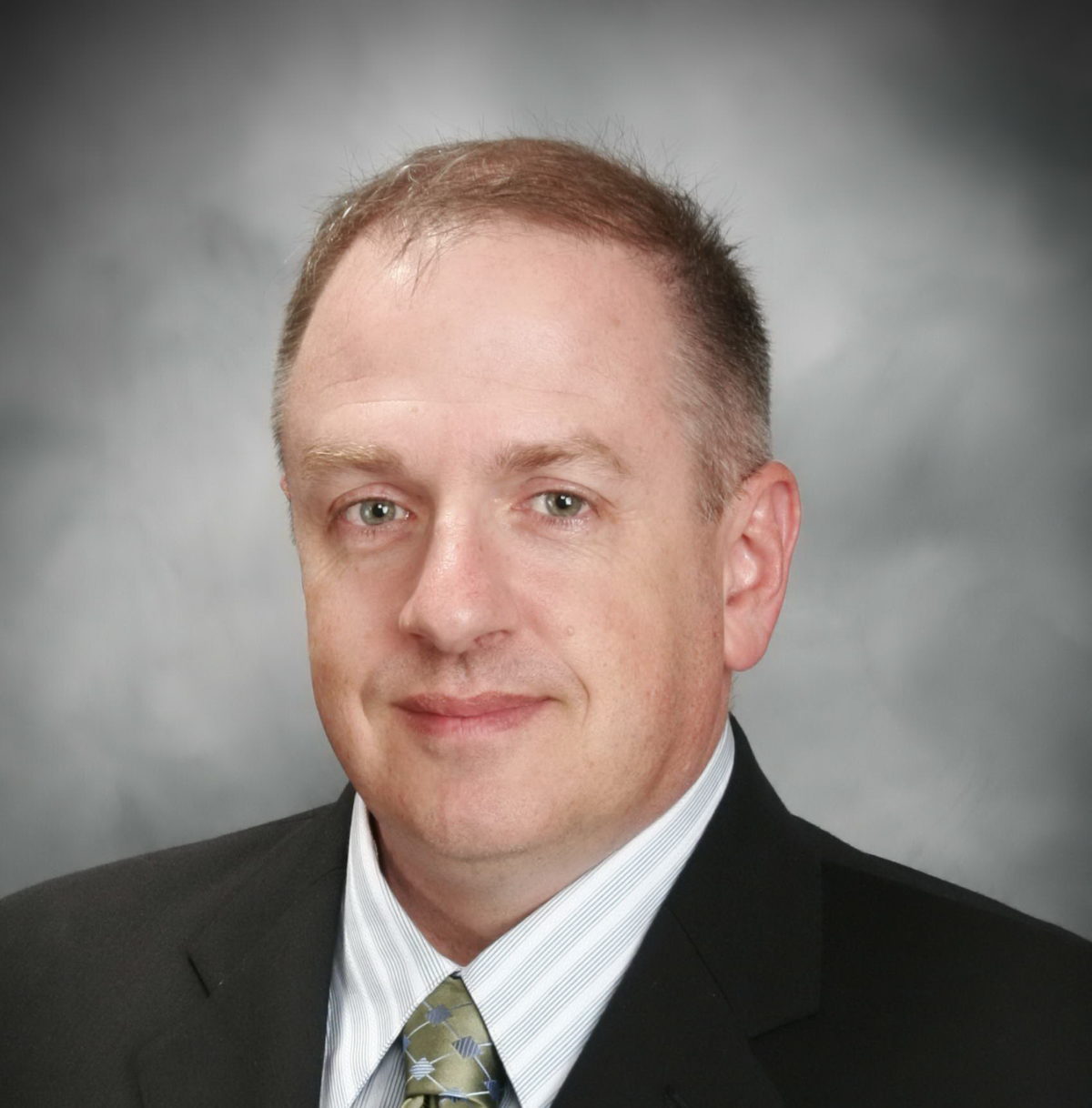
Todd Cochrane – PES 008
My guest is Todd Cochrane, Podcast Hall of Fame Inductee, CEO of RawVoice / Blubrry, and co-host of the New Media Show.
We discussed his equipment and workflow including his:
- Blue “Mouse” microphone
- Solo 610 Tube Preamp
- Mackie mixer
- EQ insert (dbx)
- Compressor/Gate (dbx 266xl)
- Aphex Big Bottom
- Out of Mackie mixer via Firewire to PC
- Adobe Audition
- Auphonic
- In-ear Shure molded earbuds
Listen to the full episode for all the details.
Thank you for being a great guest, Todd!
-
Darrell Darnell – PES 007
My guest is Darrell Darnell, Owner of Pro Podcast Solutions and Golden Spiral Media Podcast Network.
Darrell and I discuss his podcasting equipment, workflow, shows, editing philosophy, time-saving tips and seriously lots more.
Thank you for being a great guest, Darrell!
-
Rob Walch – PES 006
My guest is Rob Walch, VP of Podcaster Relations for Libsyn, and host and/or producer of the following podcast shows:
- Podcast 411
- The Feed
- Today in iOS
- KC Startup 411
- Even his son Porter has a podcast! Porters Podcast
- Rob also helps produce WelchCast
We spoke in detail about Rob’s technical setup for each of his shows.
Rob had some great tips for all of us:
- Record your Skype audio on a different device instead of on the same computer which you’re using to Skype. Then there’s no risk of over-taxing that computer’s CPU
- He loves his Marantz 660 digital recorder – rock solid
- Sound Soap (plugin to clean up audio) – $150, works in GarageBand
- When making Skype calls, the call will be smoother if the call is initiated from the person with the fastest internet connection
- When linking to your show’s iTunes presence, there is a way to have your show open directly in the place where your listener can click ‘Subscribe.’ *Here are the steps:
BTW- try clicking the one of the two iTunes links in this post and see where it opens 😉
Also, while recording this episode we had a disconnection/crash of CAST, which we were using to connect and record. I am digging CAST and learning how to use it…….and how NOT to use it – like closing the tab of a session and then trying to get back to that session (which you can’t)
Thank you for being a great guest and helping us so much, Rob!
-
David Hooper – PES 005
My guest is David Hooper, host of the RED Podcast, marketing guy, radio host, and author from Nashville, TN.

David’s RED Room Check out his equipment page here. It lists all the podcast equipment he uses and has nice pictures and links.
We also discussed David’s vast experience in the music business as well as his iHeart Radio Show.
Here’s some of the equipment David uses:
- Audio-Technica ATR2100-USB Cardioid Dynamic USB/XLR Microphone
- Mackie 1202VLZ4 12-Channel Compact Mixer
- Behringer Multicom PRO-XL MDX4600
- TASCAM DR-05 Portable Digital Recorder
Thank you, David!
-
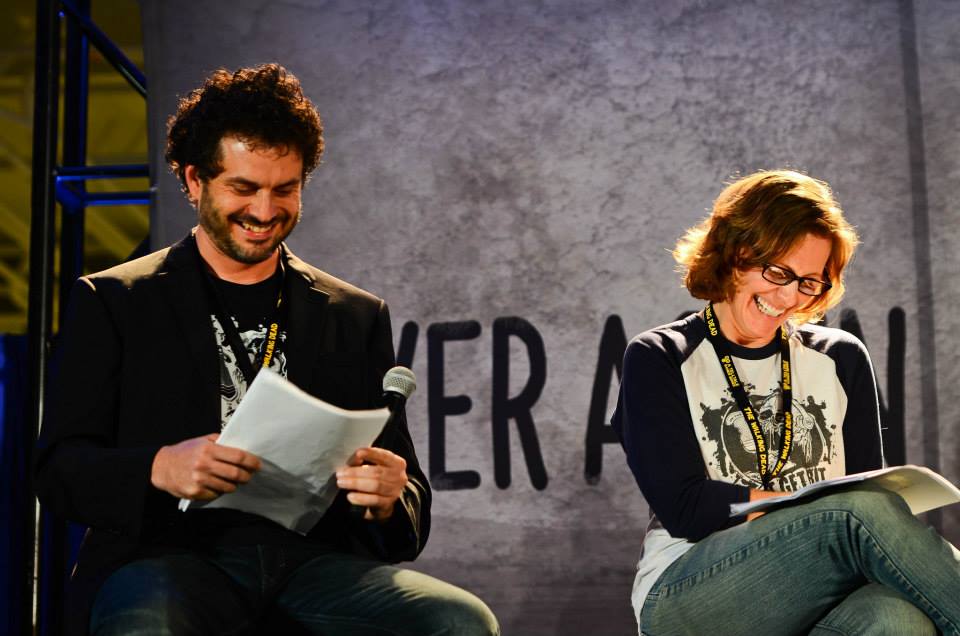
Jason Cabassi – PES 004
My guest is Jason Cabassi, host of The Walking Dead Cast and founder of Podcastica (podcast network).

Jason handles the recording, editing and publishing for the show.
We spoke about his equipment setup and workflow, etc., including:
- Jason’s microphone: Equitek E100S
- Karen’s microphone: Audio-Technica shotgun mic
- Has a 2nd Mac computer to use as a soundboard
- Downloads calls from Google Voice for use on the show
- Edits in GarageBand
- Uses FabFilter Pro de-esser and Zimple-Gate
- Uses Auphonic as a leveler
- Publishes in the AAC format which includes chapters
- Audio Hijack – lets you record audio from any source
Thank you, Jason!
-
Kate Astrakhan – PES 003
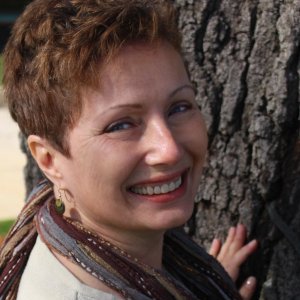
My guest is Kate Astrakhan, Owner of Audio Adrenaline! Kate also hosts the Make Your Bed podcast. She has a ton of experience in radio and voiceovers – including that famous Greyhound commercial on which she sang, “Go Greyhound and leave the driving to us.”
We discuss many audio/podcasting topics including:
- Kate not using plugins
- Her Misophonia (see below, it’s related to sound)
- Her opinion on USB microphones
- Her love of Behringer equipment
- Super-detail editing
- Adobe Audition
She also brought up an amazing use of a de-esser, and hopefully she will share that secret with us in the comments, etc.
*Here’s a bit about Misophonia: also known as selective sound sensitivity syndrome, starts with a trigger. It’s often an oral sound — the noise someone makes when they eat, breathe, chew, yawn, or whistle. Sometimes a small repetitive motion is the cause — someone fidgets, jostles you, or wiggles their foot.
Thank you, Kate!
-
Luis Congdon – PES 002
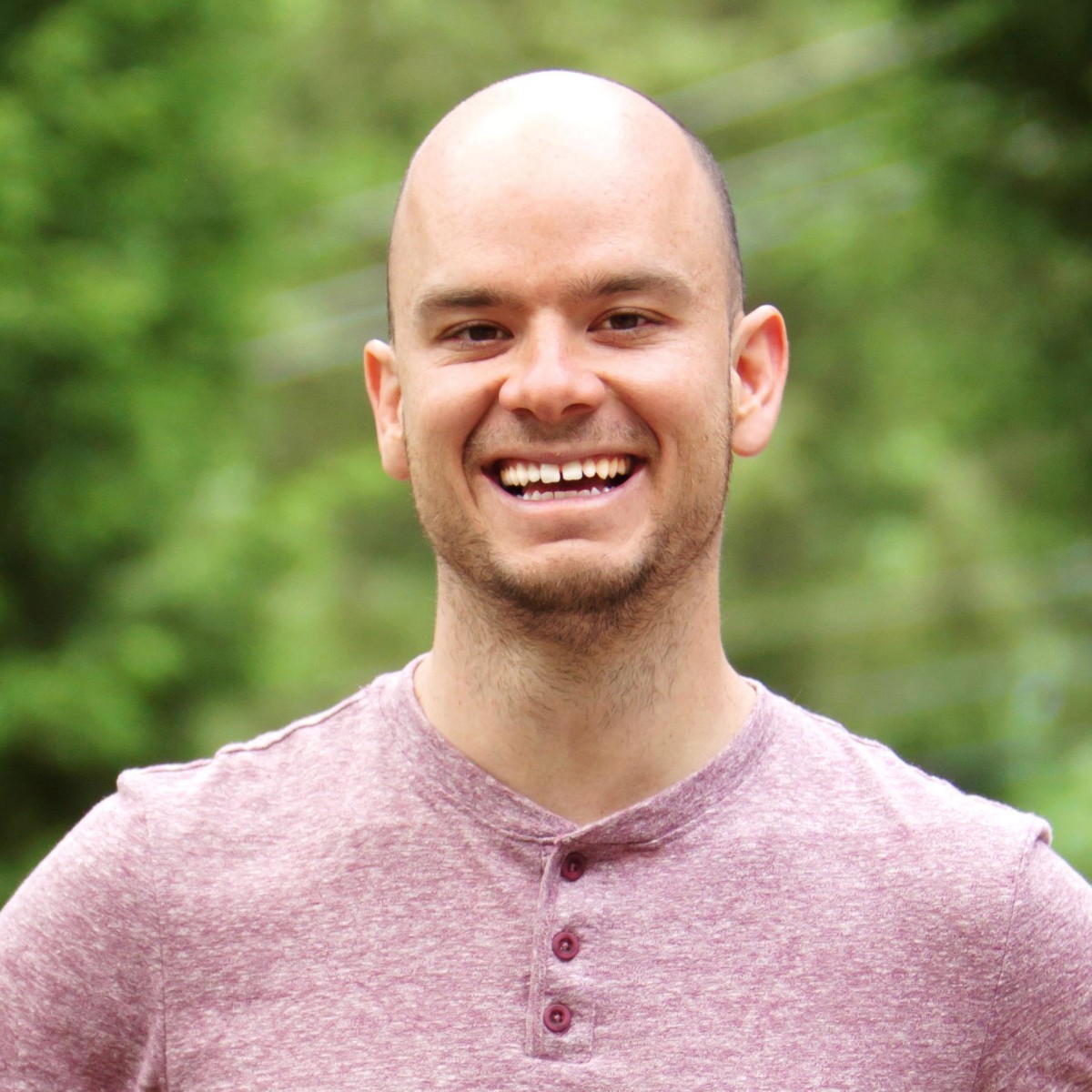
Luis Congdon admits that he’s not the most technical guy on the planet, but he’s been through several audio setups and he shared what he has learned through his production evolution.
He hosts the Lasting Love Connection podcast, and the Thriving Launch podcast.
His audio setup includes a Scarlett 2i2 audio interface and MXL microphones. He and his co-host record in the same room, so we talked about how he optimizes that sound.
These days he records into Logic Pro. Previously he tried recording with Ecamm recorder, Garage Band, and Adobe Audition, but he wasn’t satisfied with any of them.
He uses a Blue Yeti when he travels and he started the Podcasters Exchange Facebook group!
Thanks Luis!
-
Mary and Blake Larsen – PES 001

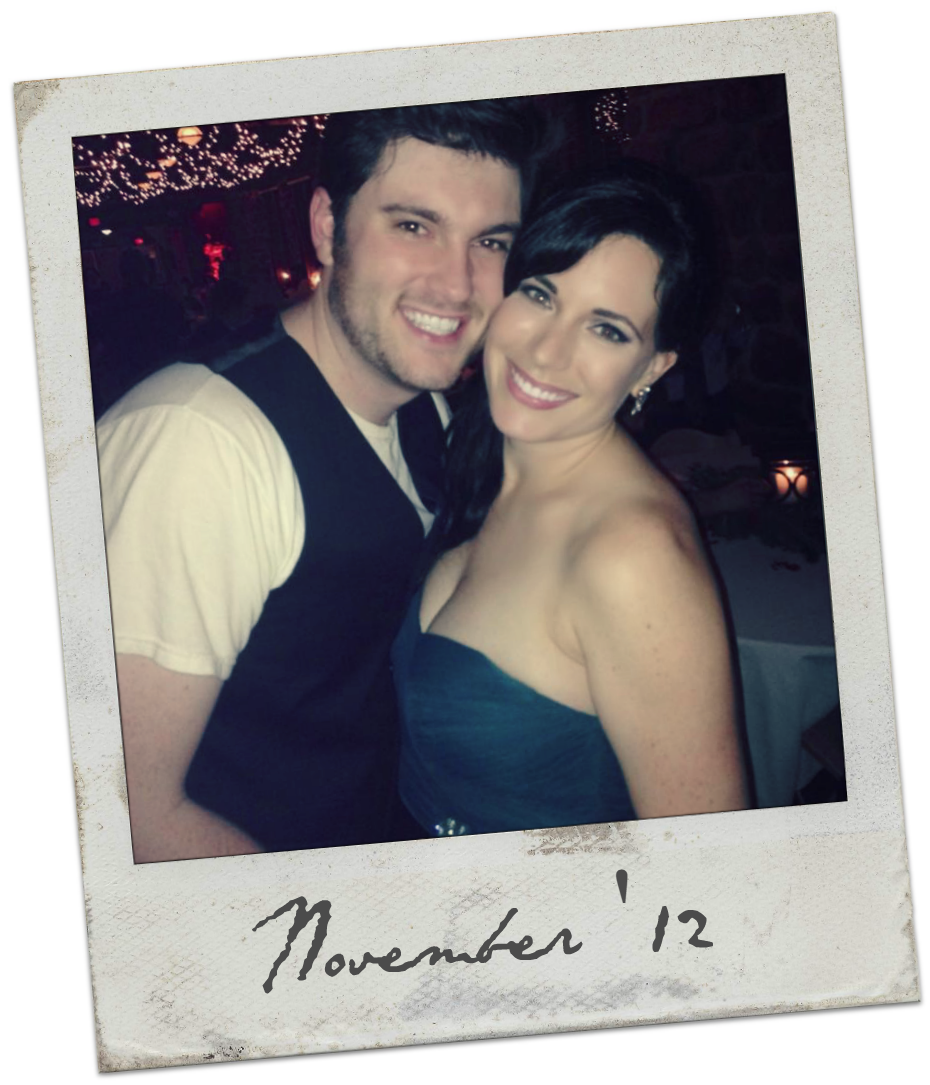
I had a fun chat with Mary and Blake Larsen, hosts of ParentCast, The Living Reminders, and OutlanderCast. Mary is also a musician and Blake also makes donuts. They are delightful people; maybe you want to reach out to them and say hello.
Mary has an ear for details. Her previous experience as a TV show host gave her a deep insight into presentation, sound and listener experience. Now she uses those skills to craft great podcasts.
Blake is the audio engineer in the relationship. He built a custom studio in their basement. Over time they have have upgraded their equipment little by little. They didn’t start with great gear.
These days they use Heil microphones and an 8-channel Alesis mixer. They record in Garage Band and edit using Adobe Audition. Blake uses an iPad for playing sound clips while recording episodes.

They mainly use Skype for connecting with guests, and sometimes they use Skype to call their guests on the phone when they are only able to connect by phone.
For mixing and mastering in Audition, Blake started with one of the factory presets on his compressor but then he tweaked it to suit their taste.
Some challenges that Blake had were getting a good sound using EQ, and getting good mic levels while recording.
A couple tips:
When you’re adjusting your sound settings to establish good presets, (as well as to train your ears), it pays to listen to your recordings in various places on different speakers. Listen on your studio monitors, listen on your headphones, earbuds, in your car, on a Bluetooth speaker, etc. You will then have a much better idea what your sound REALLY sounds like to other people.

Record some dead air with all the mic’s on but no one speaking. This can come in handy later while editing when you need to put a little blank space in between an edit so it doesn’t sound like an edit. You just take a little dead air and insert it there and voila – it sounds natural.
What an awesome session. Thanks Mary and Blake!
Check out their shows: ParentCast, The Living Reminders, and OutlanderCast.
-
Trailer: Preview of the Show
I’m Chris Curran, and I’m here to help improve the quality of everyone’s podcast audio! In general, podcasters and podcast producers tend to have weak (or non-existent) audio engineering skills.
The Podcast Engineering Show can help:
By listening to this show every week you will gain an unfair advantage in the world of podcast audio production. We talk to podcast engineers, producers and editors to learn how they’re producing podcasts – their equipment, their workflow, and advanced tips. Plus, we have lots of high energy fun 😉
Subscribe links for various platforms are HERE!
Your host: Chris Curran – founder of Podcast Engineering School and Fractal Recording.
